
Top 5 Plumbing Problems We See in Older Homes and How We Fix Them
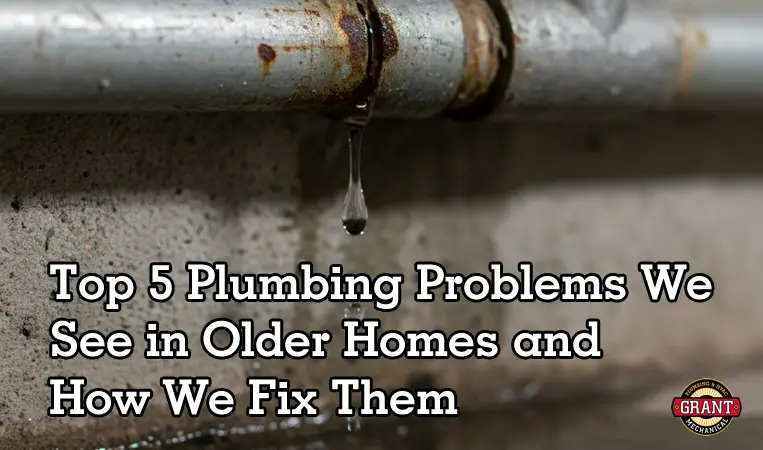
Older homes have a unique charm and character that new builds often can’t replicate. From historic farmhouses to classic Victorian-era houses, the Traverse City area is rich with beautiful, established properties. However, with that history can come a unique set of challenges, especially when it comes to your plumbing system.
At Grant Mechanical, we’ve been serving the Traverse City community for years, and we’ve seen firsthand the common plumbing issues that can plague older homes. Understanding these potential problems can help you stay ahead of costly repairs and keep your home’s plumbing running smoothly. Here are the top five plumbing problems we frequently encounter in older homes and how we tackle them.
1. Outdated and Corroded Pipes
Many homes built before the 1970s used galvanized steel or cast iron pipes. Over time, these materials can corrode, rust, and deteriorate from the inside out. This can lead to a host of problems, including discolored water, low water pressure, and frequent leaks.
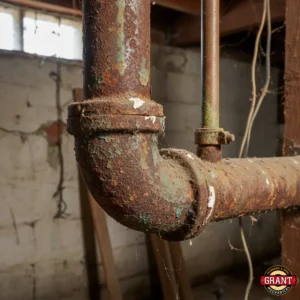
How We Fix It: In cases of isolated leaks, a pipe repair might be a temporary solution. However, for widespread corrosion and deterioration, a whole-house repipe is often the most effective and long-lasting solution. Our expert plumbers can replace your old, problematic pipes with modern materials like copper or PEX (cross-linked polyethylene) piping. These materials are more durable, resistant to corrosion, and will improve your water flow and quality for decades to come.
2. Low Water Pressure
Struggling with a weak shower stream or a trickle from your faucets? Low water pressure is a common complaint in older homes. This can be caused by a variety of issues, from corroded pipes restricting water flow to a failing pressure-reducing valve or even issues with the municipal water supply.
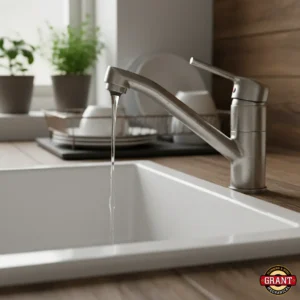
How We Fix It: Our first step is to diagnose the root cause of your low water pressure. We’ll inspect your pipes for blockages and corrosion, test your water pressure regulator, and ensure your main shut-off valve is fully open. Depending on the cause, the solution could be as simple as cleaning faucet aerators and showerheads clogged with mineral buildup—a common issue in areas with hard water like ours—or it may involve more comprehensive repairs like replacing sections of clogged pipe.
3. Persistent Leaks and Drips
That constant drip, drip, drip from a faucet isn’t just an annoyance—it’s a sign of a problem and can lead to a significant amount of wasted water and higher utility bills. In older homes, leaks can stem from worn-out washers and gaskets in faucets and fixtures, or more seriously, from cracks and corrosion in the pipes themselves, often hidden behind walls or under floors.
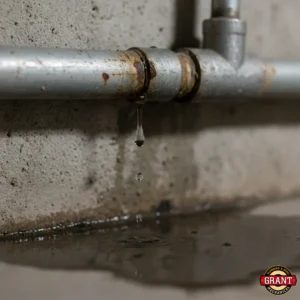
How We Fix It: For leaky faucets and fixtures, our plumbers can quickly replace the worn-out components. For hidden pipe leaks, we use advanced leak detection techniques to pinpoint the problem without causing unnecessary damage to your home. Once located, we’ll access the leaking pipe and perform a professional repair or replacement to prevent further water damage and potential mold growth.
4. Failing and Inefficient Plumbing Fixtures
The plumbing fixtures in older homes—the toilets, faucets, and showerheads—are often original to the house. While they may have been top-of-the-line decades ago, they are now likely inefficient and prone to problems. Older toilets can use as much as 3 to 5 gallons of water per flush, compared to the 1.6 gallons or less used by modern toilets. Faucets can have persistent drips from worn-out internal parts, and finishes can become corroded and unsightly.
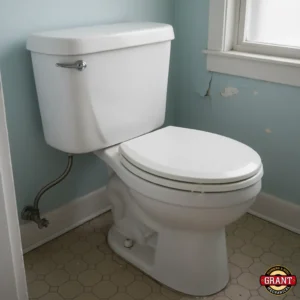
How We Fix It: This is often a straightforward and highly impactful upgrade. Our expert plumbers can replace your old, water-guzzling fixtures with new, high-efficiency models that not only look better and function flawlessly but also save you significant money on your water bills. We can help you select and professionally install new toilets, sinks, faucets, and shower fixtures that match your home’s style and your family’s needs, ensuring a leak-free and efficient future.
5. Aging and Inefficient Water Heaters
The average lifespan of a traditional tank-style water heater is about 8-12 years. If your home’s water heater is older than that, it may be operating inefficiently, struggling to provide enough hot water, or be at risk of leaking. Signs of a failing water heater include rusty hot water, strange rumbling or popping noises, and, of course, a lack of hot water.
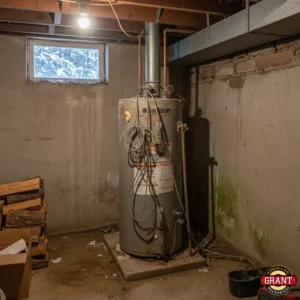
How We Fix It: Our team can inspect your water heater to determine if a repair is a viable option. Often, issues like a faulty heating element or thermostat can be replaced. However, if the tank itself is corroded or leaking, a full replacement is necessary. We can help you choose a new, energy-efficient water heater that meets your family’s needs, including modern tankless options that provide hot water on demand and can save you money on your energy bills.
Your Trusted Traverse City Plumbing Experts
Owning an older home is a rewarding experience, and with the right care, its plumbing system can be reliable and efficient. If you’re experiencing any of these common plumbing problems, or if you’d like a proactive inspection of your older home’s plumbing, don’t hesitate to contact the experts at Grant Mechanical. We’re here to provide professional, reliable solutions to keep your home’s plumbing in top condition.
Schedule your plumbing inspection or service with Grant Mechanical today!