

Quick Fixes for Leaky Faucets & Running Toilets: Save Water, Save Money!

There’s nothing quite as annoying as the persistent drip-drip-drip of a leaky faucet or the ghostly whoosh of a running toilet in the middle of the night. Beyond the sheer irritation, these seemingly minor plumbing issues are significant culprits of water waste, leading to higher utility bills and potential water damage over time.
For homeowners in Traverse City and throughout Northern Michigan, taking prompt action can save you money and headaches. While some plumbing problems require the expertise of a professional, many common leaks and running toilet issues can be tackled with a few basic tools and a bit of DIY know-how.
Let’s dive into some quick fixes you can try.
Taming the Dripping Faucet
A dripping faucet is often a sign of worn-out internal components. Before you begin any repair, always turn off the water supply to the faucet, usually via the shut-off valves located under the sink. If your sink doesn’t have individual shut-off valves, you’ll need to turn off the main water supply to your home.
The fix depends on the type of faucet you have:
- Compression Faucets (Two Handles): These older faucets often leak from worn-out rubber washers in the handles or at the spout.
- The Fix: Disassemble the handle, unscrew the packing nut, and replace the worn-out washer or O-ring on the stem. For a leak at the spout, you’ll likely need to replace the seat washer. Make sure to use petroleum jelly or plumber’s grease on new O-rings for a better seal.
- The Fix: Disassemble the handle, unscrew the packing nut, and replace the worn-out washer or O-ring on the stem. For a leak at the spout, you’ll likely need to replace the seat washer. Make sure to use petroleum jelly or plumber’s grease on new O-rings for a better seal.
- Cartridge Faucets (Single or Double Handle): If your cartridge faucet is leaking, it’s typically due to a worn cartridge, which is a cylindrical valve that controls water flow and temperature.
- The Fix: First, remove the decorative cap and screw holding the handle. Then, you’ll usually find a retaining clip or nut that holds the cartridge in place. Remove this, and carefully pull out the old cartridge. Take the old cartridge to a hardware store to ensure you buy an exact replacement. Insert the new cartridge, reassemble, and test.
- The Fix: First, remove the decorative cap and screw holding the handle. Then, you’ll usually find a retaining clip or nut that holds the cartridge in place. Remove this, and carefully pull out the old cartridge. Take the old cartridge to a hardware store to ensure you buy an exact replacement. Insert the new cartridge, reassemble, and test.
- Ball Faucets (Single Handle with a Round Cap): These faucets use a rotating ball to control water flow. Leaks often stem from worn-out O-rings or springs within the ball assembly.
- The Fix: After removing the handle and decorative cap, loosen the cam assembly. You’ll then be able to lift out the ball and the spring-loaded rubber seats. Replace these components with a new repair kit for ball faucets.
- The Fix: After removing the handle and decorative cap, loosen the cam assembly. You’ll then be able to lift out the ball and the spring-loaded rubber seats. Replace these components with a new repair kit for ball faucets.
- Ceramic Disc Faucets (Single Handle, Wider Body): Known for their durability, leaks in ceramic disc faucets are less common but usually indicate worn-out rubber seals beneath the ceramic discs.
- The Fix: Carefully remove the handle and the screws holding the ceramic disc cylinder in place. Lift out the cylinder and replace the rubber seals at the bottom. Clean the ceramic discs thoroughly before reassembling.
When to Call a Plumber for Leaky Faucets: If you’re unsure about your faucet type, can’t locate the leak source, or the DIY fix doesn’t stop the drip, it’s time to call in the professionals. Attempting complex repairs without proper knowledge can lead to further damage.
Silencing the Running Toilet
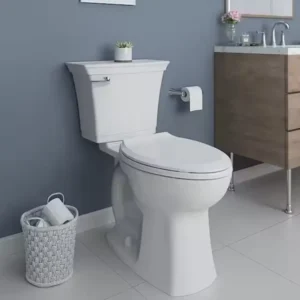
A running toilet is a common household nuisance and a major water waster. A typical running toilet can waste hundreds of gallons of water a day! Here are the most common culprits and how to fix them:
- Faulty Flapper Valve: This is the most frequent cause. The flapper is the rubber seal at the bottom of the tank that lifts when you flush and then seals to hold water in the tank. If it’s old, warped, or has mineral buildup, it won’t seal properly.
- The Fix: Turn off the water supply to the toilet (usually a valve behind or near the base). Flush the toilet to empty the tank. Inspect the flapper for cracks, wear, or mineral deposits. If it’s damaged, unhook it from the overflow tube and replace it with a new one. A simple food coloring test can confirm a leaky flapper: add a few drops of food coloring to the tank water and wait 15-20 minutes. If the color appears in the bowl without flushing, your flapper is leaking.
- Improperly Adjusted or Damaged Float: The float (either a ball on an arm or a float cup around the fill valve) signals the fill valve to stop filling the tank when the water reaches the correct level. If it’s set too high or is damaged, the water will continuously flow into the overflow tube.
- The Fix: For a float ball, gently bend the float arm down a bit. For a float cup, there’s usually a screw or clip on the fill valve shaft that allows you to adjust its height. The water level should be about an inch below the top of the overflow tube. If the float itself is damaged, it will need to be replaced.
- Fill Valve Problems: The fill valve (the mechanism that refills the tank after flushing) can sometimes malfunction, causing a continuous flow of water.
- The Fix: With the water supply off and the tank empty, carefully examine the fill valve for any obvious debris or signs of wear. Sometimes a simple cleaning can resolve the issue. If the fill valve is old or visibly damaged, replacing the entire fill valve assembly might be necessary. This is a slightly more involved DIY, but kits are readily available.
- Flapper Chain Issues: If the chain connecting the flush handle to the flapper is too long, too short, or tangled, it can prevent the flapper from sealing correctly.
- The Fix: Ensure the chain has just a little bit of slack when the flapper is closed. Adjust the chain’s length at the flush handle attachment point until the flapper closes fully but isn’t held open by tension.
When to Call a Plumber for Running Toilets: If you’ve tried these common fixes and your toilet is still running, or if you notice water leaking from the base of the toilet or cracks in the tank, it’s time to call a professional. These issues can indicate more serious problems that require expert attention.
When DIY Isn't Enough, Grant Mechanical is Here
While these quick fixes can resolve many common plumbing annoyances, some issues are more complex and require the trained eye and specialized tools of a licensed plumber. At Grant Mechanical, we understand the unique plumbing challenges faced by homeowners in Traverse City and throughout Northern Michigan.
From stubborn leaks to complete plumbing system overhauls, our team of experienced and professional plumbers is ready to provide reliable, efficient, and customer-focused solutions. Don’t let a small drip turn into a major headache or an overflowing toilet cause significant water damage.
Contact Grant Mechanical today for a consultation or to schedule your plumbing service. We’re here to keep your home’s plumbing running smoothly, giving you peace of mind.